
GLP-1 Medications & Blood Sugar: What You Need to Know
GLP-1 medications like Ozempic (semaglutide), Wegovy, Mounjaro (tirzepatide), and Zepbound are increasingly used for type 2 diabetes, prediabetes, and sometimes weight management. At Nourish Nutrition & Wellness, clients often ask how these medications affect blood sugar, appetite, and long-term metabolic health. Understanding how GLP-1s work can help you optimize outcomes, manage side effects, and combine medications with nutrition effectively.
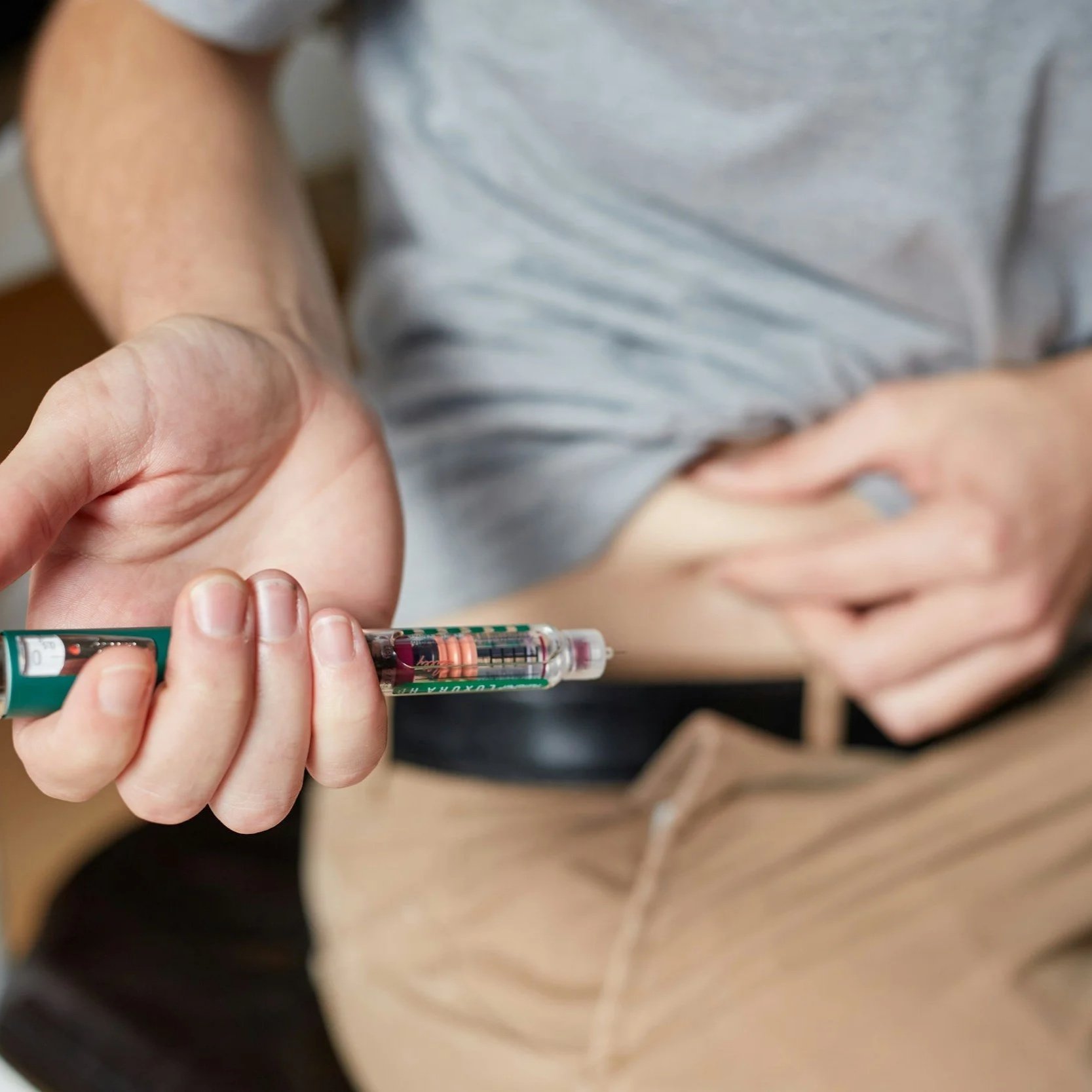
What Are GLP-1 Medications?
GLP-1 stands for glucagon-like peptide-1, a natural hormone released by the gut in response to food. GLP-1 medications mimic this hormone and influence:
Insulin secretion: GLP-1 enhances insulin release in response to glucose. This helps lower post-meal blood sugar.
Glucagon suppression: Glucagon raises blood sugar. GLP-1 medications reduce glucagon release, preventing unnecessary glucose spikes.
Appetite regulation: GLP-1 slows gastric emptying and acts on brain regions controlling hunger, helping reduce cravings and portion sizes.
Weight management: By reducing appetite and caloric intake, GLP-1 medications often lead to gradual, sustained weight loss.
How GLP-1 Medications Affect Blood Sugar
GLP-1 medications improve blood sugar by addressing both insulin resistance and post-meal glucose spikes:
Post-prandial glucose control: Meals often cause blood sugar to rise. GLP-1s improve the body’s ability to respond to this glucose efficiently.
Reduced fasting glucose: Some medications also modestly lower fasting blood sugar.
Insulin optimization: Instead of flooding the body with insulin continuously, GLP-1s support glucose-dependent insulin secretion, reducing the risk of low blood sugar (hypoglycemia) in most people.
Indirect effects via weight loss: Weight loss from appetite reduction further improves insulin sensitivity and blood sugar control.

Appetite, Satiety, and Food Choices
One of the most noticeable effects of GLP-1 medications is reduced appetite. By slowing gastric emptying, food stays in the stomach longer, signaling fullness to the brain. This is helpful for:
Reducing snacking between meals
Preventing overeating at dinner
Lowering cravings for high-calorie, refined foods
However, it’s important to pair these medications with balanced meals, including protein, healthy fats, and fiber, to prevent nutrient deficiencies and maintain energy.
Potential Side Effects and How They Affect Eating
Most people tolerate GLP-1s well, but side effects can affect appetite and digestion:
Nausea
Bloating
Diarrhea or constipation
Early fullness
Simple strategies can reduce side effects:
Eat smaller, frequent meals
Include protein and fiber in each meal
Avoid high-fat, greasy foods early in treatment
Stay hydrated
Working with a dietitian can help tailor meal timing and composition to minimize discomfort while stabilizing blood sugar.
GLP-1 Medications and Nutrition: Why Both Matter
GLP-1 medications are powerful tools, but they work best alongside smart nutrition strategies:
Carb pairing: Combine carbs with protein, fiber, and healthy fats to prevent blood sugar spikes.
Consistent meals: Skipping meals can trigger reactive hunger later, reducing medication effectiveness.
Protein-focused meals: Support muscle mass and satiety, especially during weight loss.
Hydration and micronutrients: Proper hydration and nutrients support digestion and energy.
Medications alone aren’t a long-term solution. Nutrition and lifestyle strategies optimize results and reduce potential weight regain once medication stops.
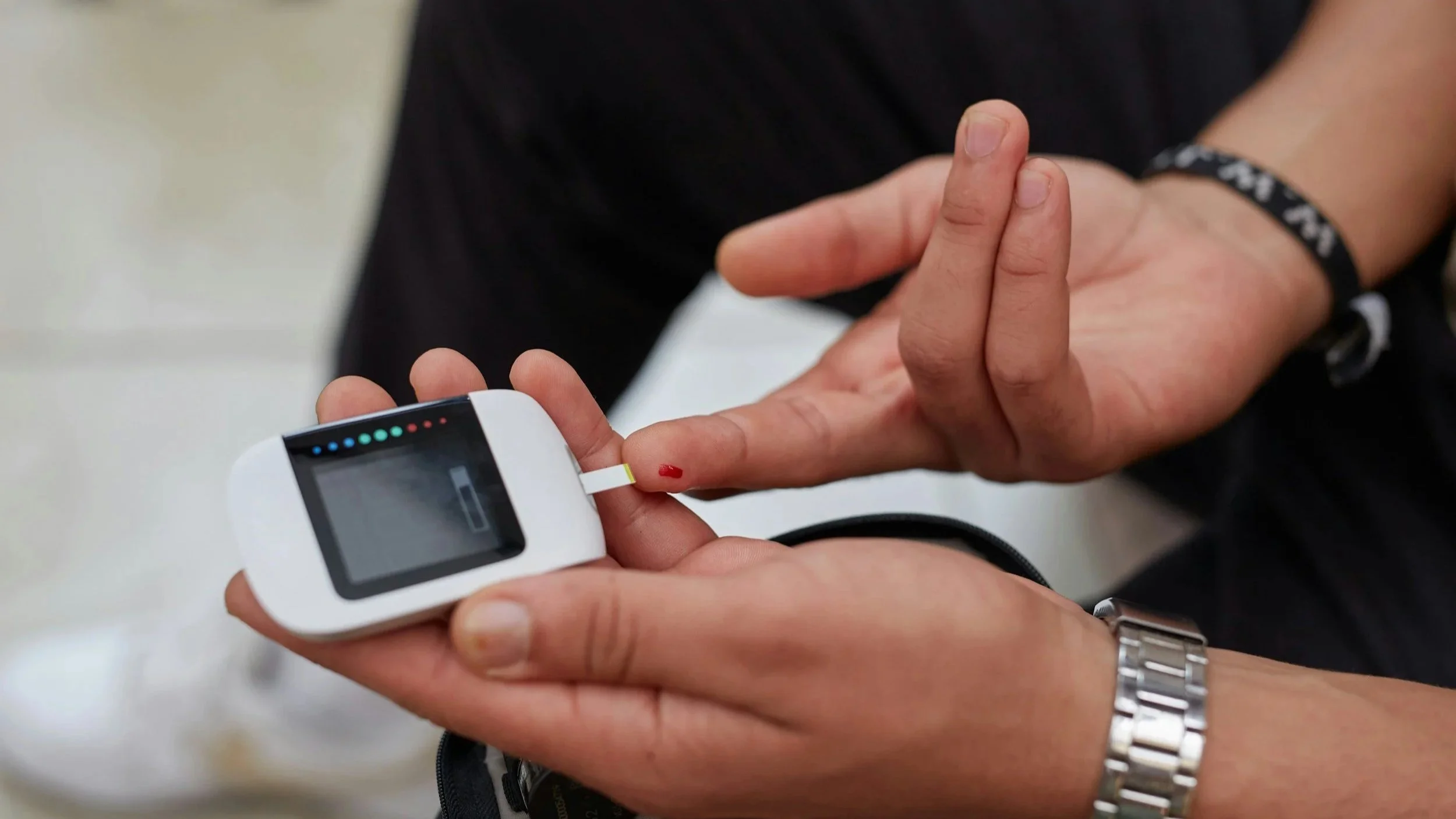
Who Can Benefit from GLP-1 Medications?
GLP-1 medications may be appropriate for:
Adults with type 2 diabetes needing better glucose control
People with obesity or overweight and weight-related comorbidities
Individuals with insulin resistance or prediabetes seeking support
Clients under medical supervision, especially if they have cardiovascular risk factors
They are not recommended for everyone, including people with a personal or family history of medullary thyroid cancer, severe gastrointestinal disease, or pregnancy, without close supervision.
Final Thoughts
GLP-1 medications like Ozempic and Mounjaro support blood sugar control by improving insulin response, reducing appetite, and lowering post-meal glucose spikes. They are most effective when combined with:
Balanced, nutrient-dense meals
Consistent protein, fiber, and healthy fats
Regular movement
Hydration and sleep support
At Nourish Nutrition & Wellness, we help clients who are taking GLP-1 medications with a sustainable nutrition plan that maximizes blood sugar stability, satiety, and overall health. GLP-1s aren’t a magic pill - you need sustainable nutrition habits that will outlast your time on the medication so you can keep your results and prevent gaining the weight back.
You can schedule a FREE consult HERE to chat with one of our dietitians about your goals and how we can help you!
Frequently Asked Questions
-
Blood sugar improvements can be seen within 1–4 weeks, but optimal results usually appear after 8–12 weeks, along with gradual weight loss.
-
GLP-1 medications rarely cause low blood sugar on their own because they work in a glucose-dependent manner. Hypoglycemia is more likely if combined with other diabetes medications like insulin or sulfonylureas.
-
No. While GLP-1s reduce appetite and support weight loss, balanced meals are critical for long-term blood sugar control, energy, and nutrient sufficiency.
-
GLP-1 medications slow stomach emptying and signal fullness to the brain. This often reduces cravings, snacking, and overall caloric intake.
-
Yes. By improving insulin secretion and supporting weight loss, GLP-1 medications can improve insulin sensitivity over time, reducing stress on the pancreas and helping stabilize blood sugar.