
Emotional vs. Physical Hunger: How to Tell the Difference (and What to Do About It)
Why You Need to Understand Emotional vs. Physical Hunger
If you’ve ever Googled “why am I hungry even after I eat?” or “is this emotional hunger?”, you’re not alone. One of the most common struggles we see at Nourish Nutrition & Wellness is learning how to tell the difference between real physical hunger and emotion-driven hunger—especially during stressful or busy seasons of life.
Understanding the difference helps you make grounded, compassionate choices around food, instead of feeling like you’re “out of control.”

What Is Physical Hunger? (Real, biological need)
Physical hunger is your body’s natural signal that it needs energy.
Signs of physical hunger:
Slow build-up of hunger
Stomach growling
Low energy or slight shakiness
Difficulty focusing
Hunger satisfied by any food, not specific cravings
Improves after eating
Physical hunger typically appears every 3–5 hours, depending on your metabolism, last meal, and activity level.

What Is Emotional Hunger?
Emotional hunger comes from feelings, not physical need.
Signs of emotional hunger:
Comes on suddenly (“I need something right now.”)
Craving specific comfort foods — sweets, chips, chocolate, takeout
Eating past fullness
Hunger still present after eating
Triggered by stress, boredom, loneliness, reward, or overwhelm
Followed by guilt or frustration
Emotional hunger is a normal part of being human. The goal isn’t to eliminate it—it's to recognize it so you can respond rather than react.
__________________________________________________________________________________________________
Why Emotional Hunger Happens
Most common causes:
Stress raises cortisol → cravings for quick energy
Restrictive dieting → rebound cravings
Lack of satisfying meals (too little protein or fat)
Using food to numb or comfort
Long gaps between meals
Emotional eating is often a sign you need support, boundaries, rest, nourishment, or comfort — not shame.
How to Tell the Difference in the Moment: The 3-Question Method
Before eating, pause and ask:
1. Where is the hunger located?
Stomach = likely physical
Chest / throat / mind = often emotional
2. What am I actually craving?
“Anything sounds good” = physical
“Only chocolate/french fries/ice cream will fix this” = emotional
3. Has it been 3–5 hours since I last ate?
If it’s been a while, your body probably needs food regardless of emotions.
What to Do if It’s Physical Hunger
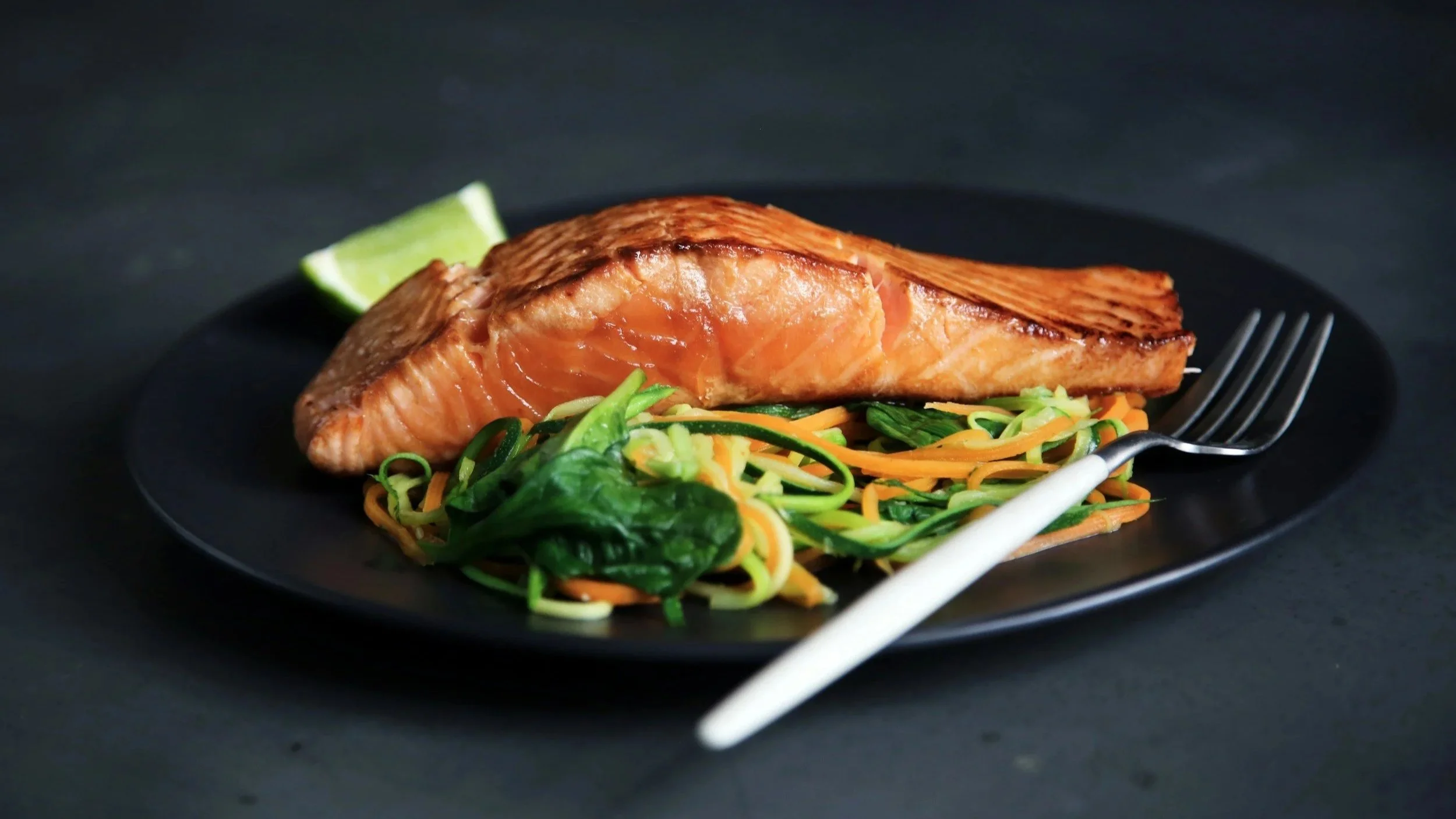
Eat a meal or snack with a protein + carb + fat
Avoid waiting until you’re ravenous
Build balanced meals throughout the day
The more consistently you nourish your body, the fewer emotional cravings you’ll experience.
What to Do if It’s Emotional Hunger
Identify the feeling (stress, boredom, overwhelm)
Ask, “What do I actually need right now?”
Use a non-food tool first (water, walk, rest, talk, breathe)
If you still want the food — eat it mindfully, without guilt
Remember: emotional eating is not failure. It’s information.
When to Seek Support
If emotional eating is happening daily or feels compulsive, working with a dietitian can help you break the cycle without restriction or shame. You do not need more willpower — you need a strategy. Our dietitians at Nourish Nutrition & Wellness can help you!
Schedule a FREE consult here! We’d love to discuss your goals, struggles, and how we can help you.