Carb Pairing 101: How to Build Blood-Sugar-Friendly Meals
If you’ve ever looked up phrases like “how to stop blood sugar spikes,” “best carbs for blood sugar,” or “how to build balanced meals,” you’re in the right place. At Nourish Nutrition & Wellness, one of the most common questions we hear from clients with diabetes, prediabetes, or insulin resistance is:
“Do I have to stop eating carbs?”
The short answer: absolutely not.
Carbs are not the enemy — unpaired carbs are what can make you lose progress.
The key to steady blood sugar, better energy, fewer cravings, and more stable hunger is learning how to pair carbohydrates with the right macronutrients. This simple, science-backed strategy works whether you’re managing diabetes, aiming for weight loss, pregnant with gestational diabetes, or just trying to avoid the 3 p.m. crash.
Let’s break it down.
What Is Carb Pairing?
Carb pairing means matching carbohydrates with protein, fat, or fiber to slow digestion and prevent rapid blood sugar spikes.
When you eat carbs alone — like a plain piece of toast, crackers, fruit, or cereal — glucose hits your bloodstream quickly. This can lead to:
Big blood sugar spikes
Reactive crashes
Intense cravings
Hunger soon after eating
Low energy or fatigue
Difficulty managing insulin or GLP-1 medications
But when you add protein, fat, or fiber, the meal digests more slowly. The result?
More stable blood sugar, better fullness, and smoother energy levels.
Why Carb Pairing Works (The Science in Simple Terms)
When carbs break down, your blood sugar rises. This is normal — it’s how your body gets energy.
But if the rise is too fast or too high, your pancreas has to release a larger amount of insulin to bring levels back down. For individuals with:
Insulin resistance
Prediabetes
Type 2 diabetes
PCOS
Gestational diabetes
…your body might not respond efficiently to insulin, making big spikes even more problematic.
Protein, fat, and fiber act like “traffic lights” for digestion — slowing the release of glucose so your blood sugar rises gently instead of surging upward.
This is why carb pairing is often recommended by dietitians and diabetes educators and is one of the first strategies we teach at Nourish Nutrition & Wellness.
The Three Key Partners for Carbs
To build a blood-sugar-friendly meal, match carbs with at least one (ideally two) of the following:
1. Protein: The Blood-Sugar Stabilizer
Protein slows digestion and helps your body use glucose more effectively. It also helps keep you full for hours.
Examples:
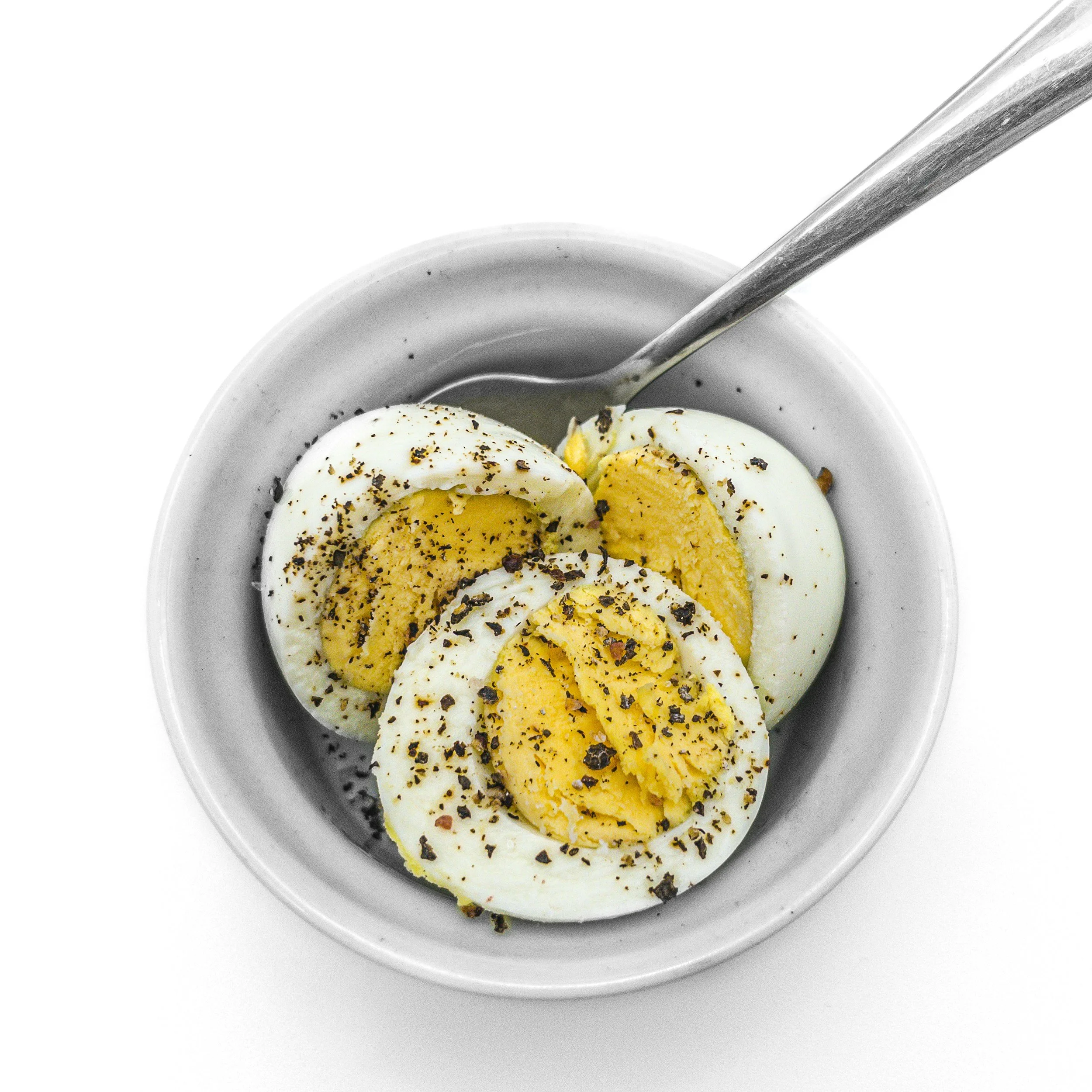
Eggs
Greek yogurt or cottage cheese
Chicken, turkey, fish
Tofu or tempeh
Beans and lentils
Protein shakes
Pair it:
Apple + peanut butter + a cheese stick
Oatmeal + Greek yogurt stirred in
Toast + eggs
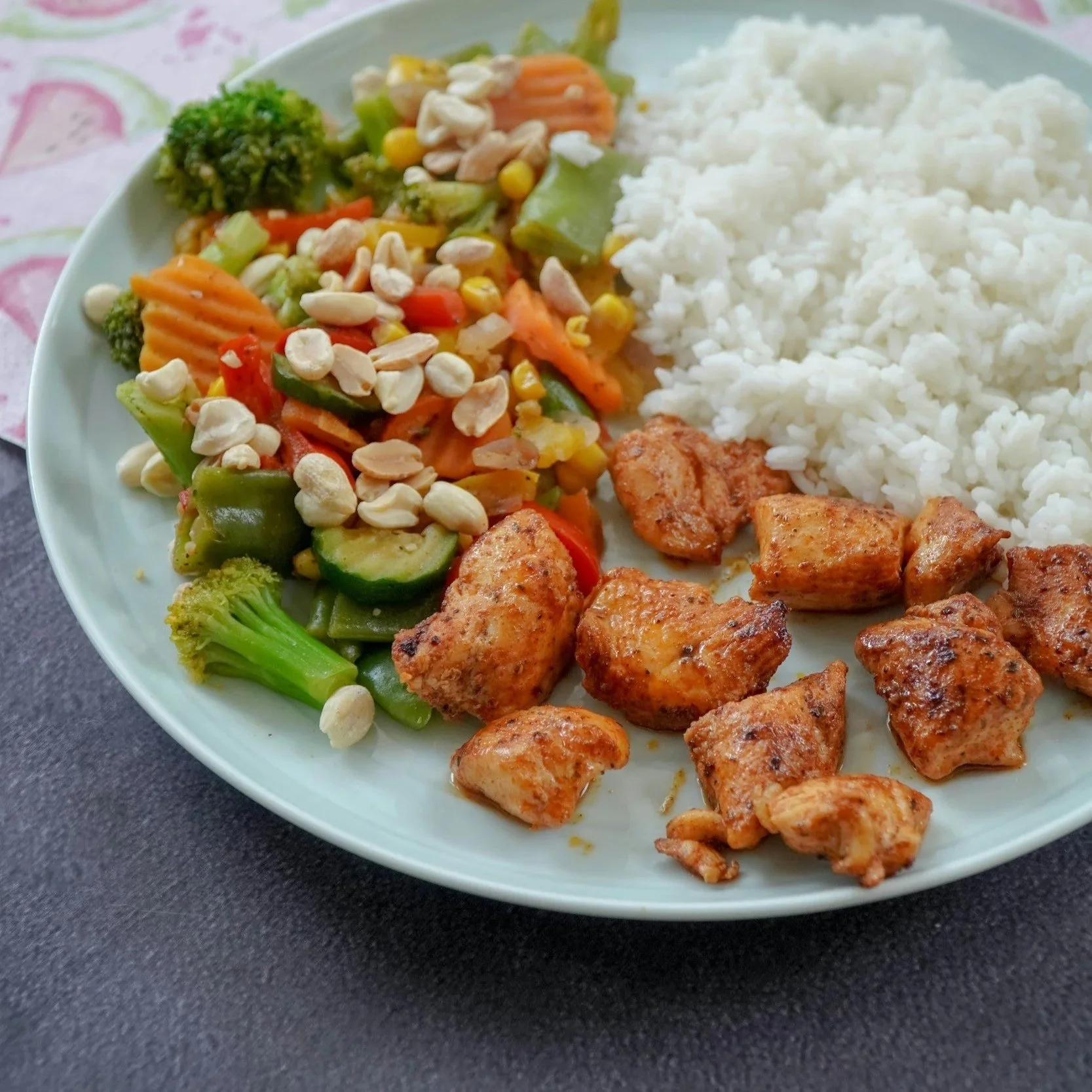
Rice + chicken
2. Healthy Fats: The Hunger Regulator
Fat helps create longer-lasting fullness and blunts blood sugar spikes.
Examples:
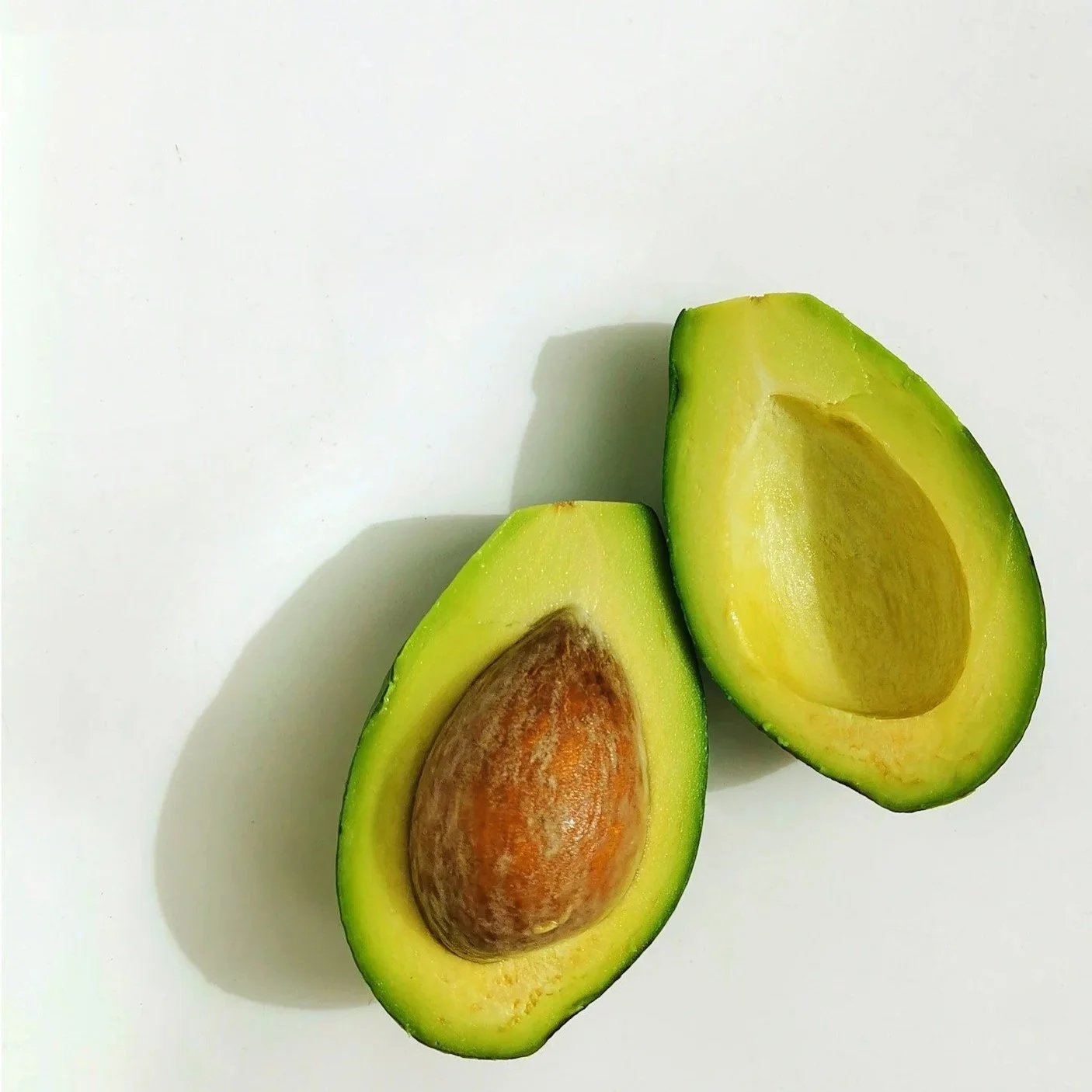
Avocado
Nuts or nut butter
Olive oil
Seeds (chia, flax, pumpkin)
Full-fat dairy
Pair it:
Fruit + nuts
Salad + olive oil dressing
Crackers + cheese
Berries + chia pudding
3. Fiber: The Slow-Release Carb Partner
Fiber-rich carbs digest more slowly and don’t spike blood sugar the way refined carbs do.
High-fiber carb sources:
Beans
Lentils
Quinoa
Whole fruits
Vegetables
Whole grains
Chia and flax seeds
Pair it:
Whole grain toast + avocado
Beans + veggies + rice
High-fiber tortilla + eggs
How to Build a Blood-Sugar-Friendly Plate (The Nourish Method)
At Nourish Nutrition & Wellness, we teach a simple framework anyone can follow:
1. Start with a carb
Carbs are your fuel — don’t fear them. Choose one:
Fruit, whole grains, potatoes, quinoa, tortilla, yogurt, oatmeal, beans, rice, pasta.
2. Add a protein
This is your anchor. Aim for 15–30g at meals.
3. Layer in fat or fiber (or both)
This is what keeps your blood sugar steady.
4. Make the portion realistic
You don’t need to avoid carbs — just balance them.
5. Eat carbs with your meal, not alone
Even small snacks should be paired.
Common Carb Pairing Mistakes (and Simple Fixes)
❌ Mistake 1: Only eating carbs for breakfast
Toast, cereal, or fruit alone cause early spikes that lead to mid-morning crashes.
Fix: Add Greek yogurt, eggs, or nut butter.
❌ Mistake 2: Cutting carbs too low
This leads to cravings, binge eating, and hormonal imbalance.
Fix: Keep carbs — just pair them.
❌ Mistake 3: Eating fruit alone
Fruit is healthy but digests quickly.
Fix: Pair with nuts, cheese, yogurt, or seeds.
❌ Mistake 4: Only adding protein but skipping fat/fiber
Protein helps, but fat and fiber are what really slow digestion.
Fix: Add avocado, olive oil, chia seeds, veggies, or nuts.
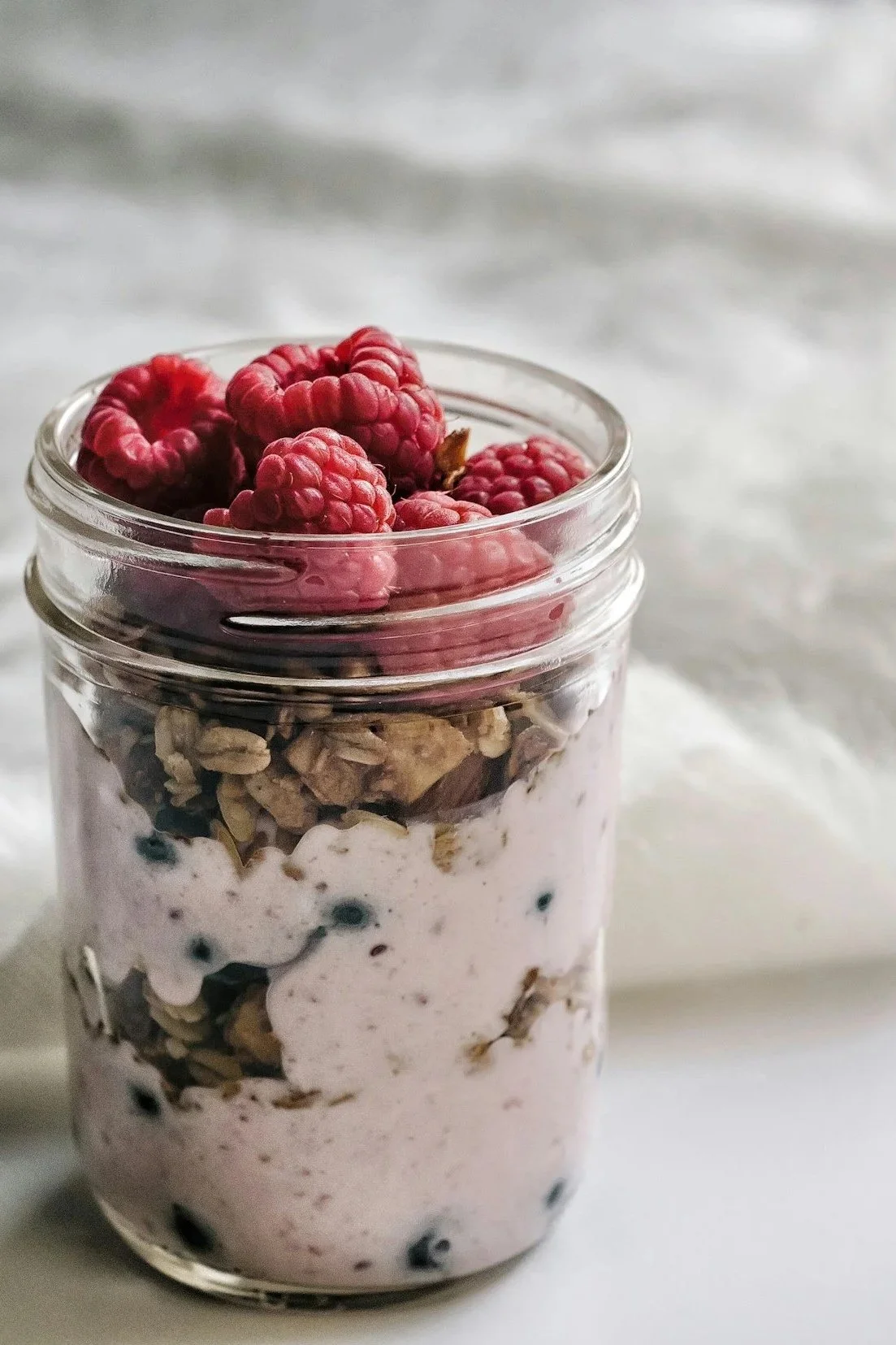
Examples of Balanced Blood-Sugar-Friendly Meals
Breakfast
Oatmeal + Greek yogurt + berries + chia seeds
Whole grain toast + eggs + avocado
Smoothie with protein powder + fruit + greens + nut butter
Lunch
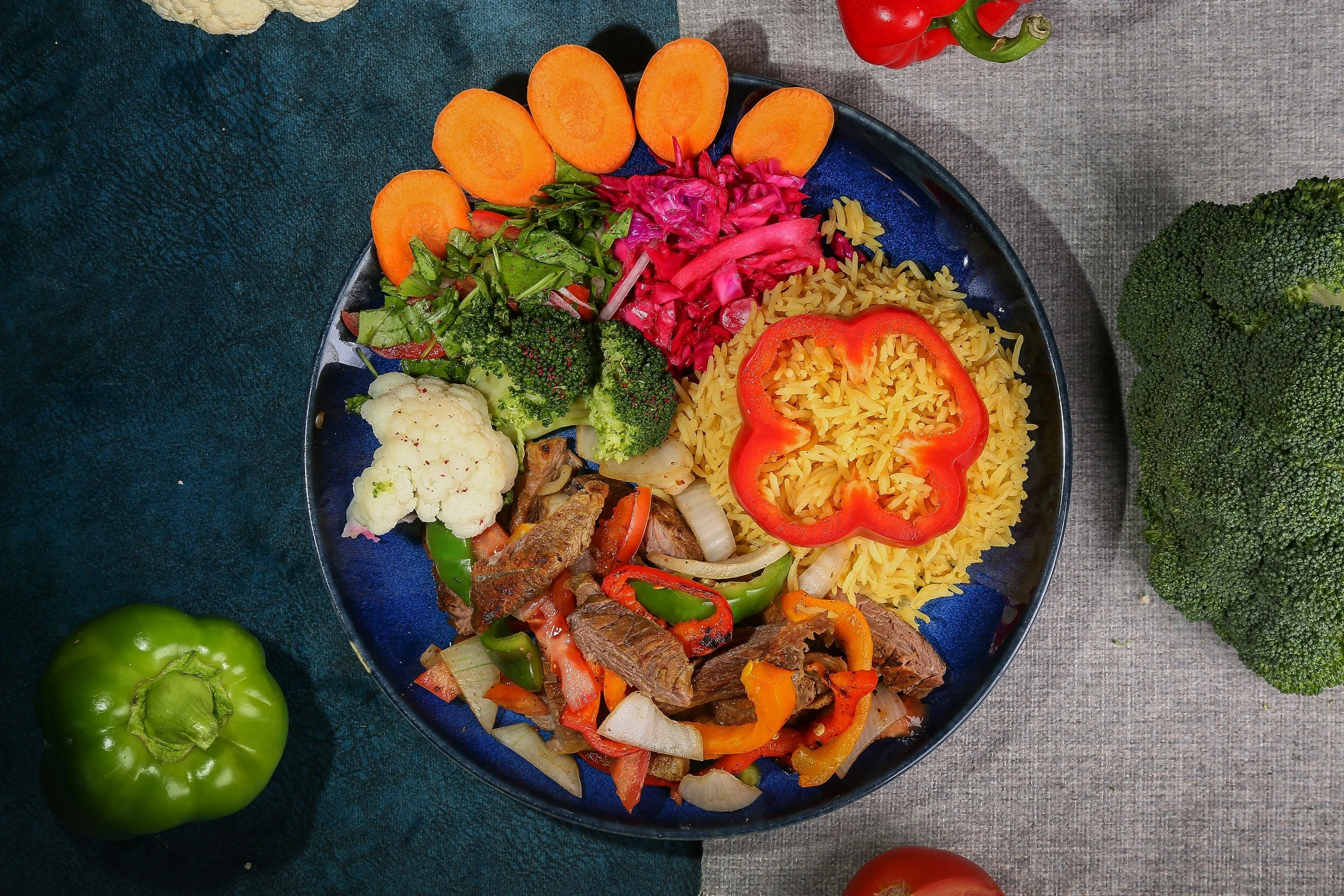
Rice bowl with chicken, beans, veggies, and avocado
Whole grain wrap with turkey, cheese, spinach, and hummus
Salmon salad with quinoa and olive oil dressing
Dinner
Stir-fry with tofu, veggies, and brown rice
Pasta + ground turkey + veggies + parmesan
Baked potato + grilled chicken + broccoli + Greek yogurt
Snacks
Apple + peanut butter
Crackers + cheese
Cottage cheese + fruit
Hummus + veggies
Who Carb Pairing Helps Most
Clients at Nourish Nutrition & Wellness use carb pairing to help manage:
Blood sugar spikes after meals
Prediabetes
Type 2 diabetes
Insulin resistance
PCOS
Fatigue and cravings
Gestational diabetes
Emotional eating driven by blood sugar swings
Even if you don’t have a diagnosis, carb pairing can improve satiety, energy, and mood.
The Bottom Line
Carb pairing isn’t a diet.
It’s not restrictive.
It doesn’t eliminate foods you love.
It’s a sustainable, flexible eating strategy that supports:
More stable blood sugar
Fewer cravings
Better energy
Balanced hormones
Long-term metabolic health
When you learn how to build meals with carbs, protein, fat, and fiber working together, your blood sugar — and your whole day — feels calmer and more predictable.
FAQ’s
Carb Pairing & Blood Sugar Balance
1. What foods are best to pair with carbs to stabilize blood sugar?
The best foods to pair with carbs are protein, healthy fats, and fiber-rich foods. These slow digestion and help prevent big glucose spikes. Examples include eggs, Greek yogurt, chicken, cheese, nuts, seeds, avocado, beans, and vegetables.
2. Does carb pairing help with insulin resistance?
Yes. Carb pairing is one of the most effective strategies for managing insulin resistance, prediabetes, and PCOS. By slowing the release of glucose into the bloodstream, carb pairing reduces the demand for insulin and helps improve insulin sensitivity over time.
3. Do I need to cut carbs to lower my blood sugar?
Not at all. You don’t need a low-carb diet to support blood sugar health. Instead, focus on balanced meals that include carbs plus protein, fat, and fiber. Carbs become a problem only when eaten alone or in very large portions.
4. What are the best carbs for blood sugar control?
Fiber-rich, minimally processed carbs tend to raise blood sugar more gently. Great options include quinoa, beans, lentils, brown rice, berries, whole grain bread, oatmeal, and sweet potatoes. But even simple carbs can fit — just pair them!
5. Will carb pairing help reduce sugar cravings?
Yes. Many people experience sugar cravings because of blood sugar dips that occur after unpaired carb-heavy meals. Carb pairing prevents these sharp rises and crashes, leading to more stable hunger and fewer cravings throughout the day.
6. Can I eat fruit if I’m trying to manage my blood sugar?
Absolutely. Fruit is nutrient-rich, fiber-filled, and fully appropriate for people with diabetes or insulin resistance. For optimal blood sugar control, pair fruit with a protein or fat, such as nuts, cheese, yogurt, or peanut butter.
7. Does carb pairing work for weight loss?
Carb pairing supports weight loss because it helps regulate hunger, fullness, energy levels, and cravings. Balanced blood sugar makes it easier to eat consistently and avoid overeating — especially in the evenings.
8. What is an easy way to remember how to pair carbs?
Use the Nourish Nutrition & Wellness “Add, Don’t Remove” Method:
Pick your carb
Add a protein
Add a fat or fiber
Eat them together
This keeps meals balanced without feeling restrictive.
9. Is carb pairing safe during pregnancy or gestational diabetes?
Yes — carb pairing is one of the most recommended strategies for managing gestational diabetes. Pairing carbs with protein and fiber helps keep blood sugar stable between meals and supports baby’s growth without spiking glucose levels.
10. Will carb pairing help if I’m on Ozempic, Mounjaro, or other GLP-1 medications?
Yes. Carb pairing helps minimize nausea, stabilize energy, and prevent reactive hunger — all common issues for people on GLP-1 medications. Balanced meals tend to be easier on digestion and help prevent the sudden drops in blood sugar that can occur with low appetite.